Where to get a facial in Seoul, and how to tell a clinic from a spa
Written by KCODI medical interpreter team · English deskUpdated · 8 min read

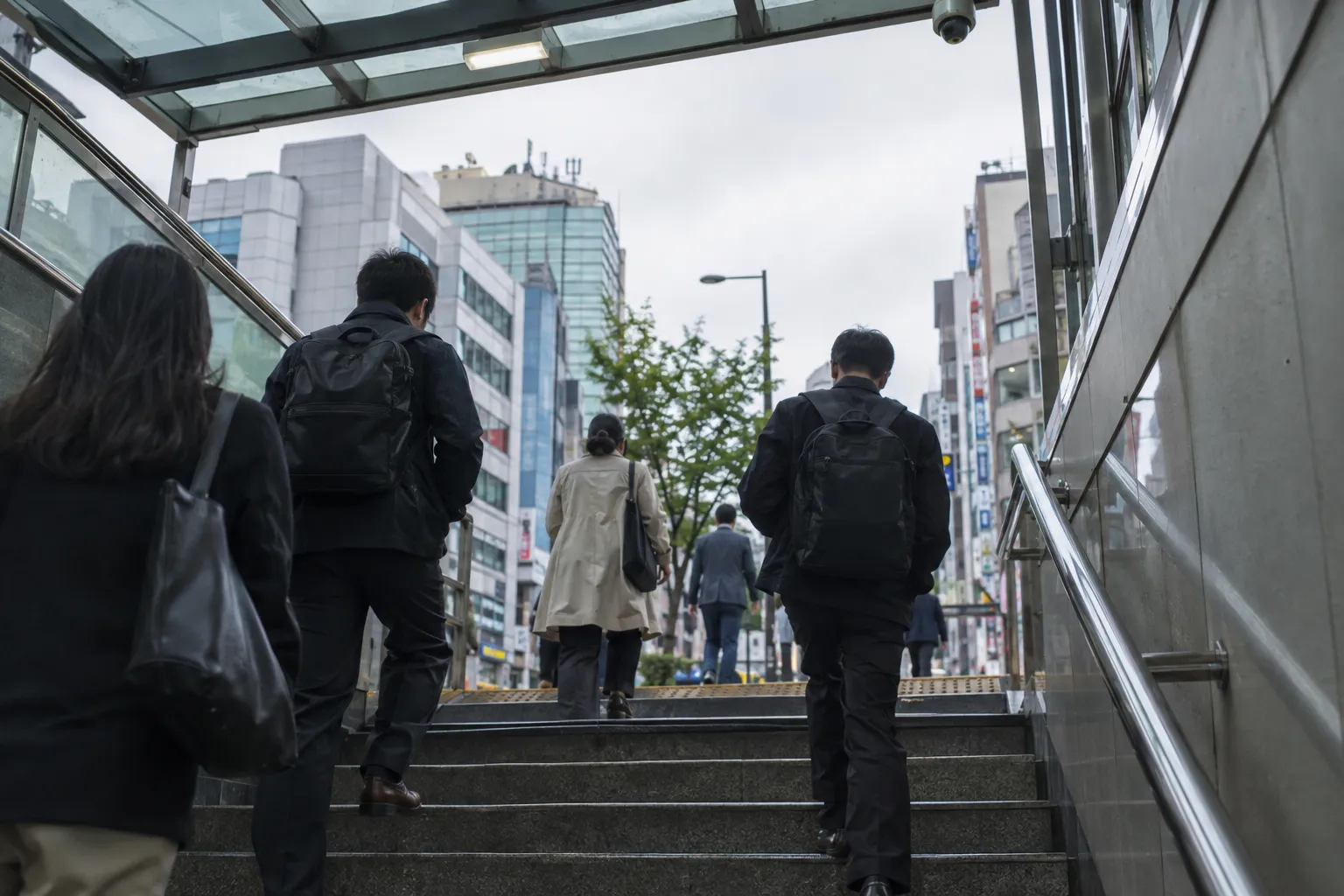
Ask five people where to find the best facial in Seoul and you get five answers, because they went to three different kinds of business. One booked a dermatology clinic in Gangnam. One booked a skin-care shop above a subway exit. One booked the spa on the fourth floor of her hotel.
All three call it a facial. The price, the staff, the devices and what is legal to do to your face differ at each. Our interpreters walk visitors into all three every week, so this guide sorts them out.
By the end you will know which one matches what you actually want, what to ask at the desk, and how to book the version Koreans book.
Three different businesses, one word
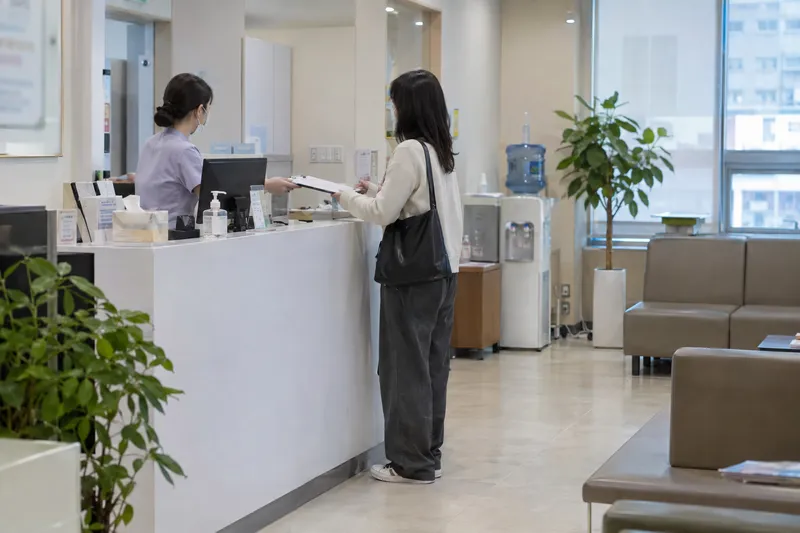
In Korea the legal line runs between a medical institution and a beauty business. A clinic has a doctor on the licence. A skin-care shop and a hotel spa do not. That single fact decides what can happen in the room.
| Dermatology clinic | Skin-care shop (피부관리실) | Hotel spa | |
|---|---|---|---|
| Doctor on site | Yes | No | No |
| Who works on you | Clinic aesthetician, with a doctor available | Licensed aesthetician | Spa therapist |
| Devices | Aqua peel, LED, and medical lasers in another room | Aqua peel, LED, steamers, massage | Massage, masks, sometimes LED |
| Can add injectables or laser | Yes, same day if the doctor agrees | No | No |
| Language at the desk | Korean, some English in visitor-heavy areas | Korean | English, often Japanese and Chinese |
| What you are paying for | A medical setting and a skin check | Hands and time | Atmosphere and convenience |
None of the three is a bad choice. The mistake is booking a hotel spa while expecting a clinic result, or walking into a clinic expecting an hour of quiet massage.
What a clinic facial in Seoul actually includes
Koreans call it skin management, not a facial. You lie down for fifty to seventy minutes. Double cleanse, an aqua peel handpiece that lifts dead skin and sebum with water and suction, careful extraction, an ampoule step, LED light, then a cooling modelling mask that sets like rubber and is peeled off in one piece.
There is usually a short skin check before or after, because the clinic wants to know whether anything it sells would suit you. That check is the real difference. It is also the moment where, without Korean, most visitors nod at a recommendation they did not follow. See what one session covers on our Korean facial page.
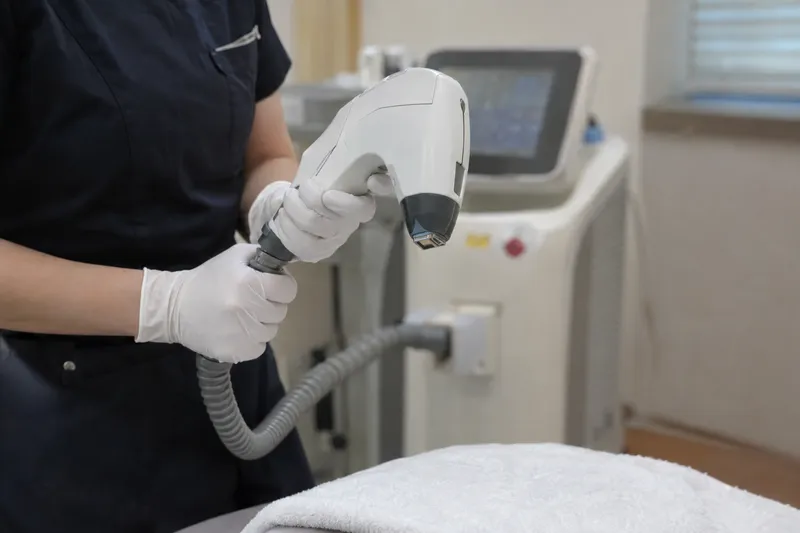
A Korean laser facial treatment is a different item on the menu. Laser toning or a gentle pigment laser is a medical procedure, performed or supervised by the doctor, often stacked with the facial on the same visit. A shop cannot do it, whatever the poster shows.
Why medi spa means something different here
Search Seoul medi spa or Gangnam medical spa and you get a mix of results: real clinics using the phrase for marketing, skin-care shops using it because it sounds medical, and hotel spas that simply translated their own name that way. Korea has no separate licence called medi spa.
This matters for anything with a needle or a beam. If a shop menu lists microneedling, strong peels or BB glow, that is a question worth asking out loud. Our interpreters ask it in Korean before you get on the bed.
Choosing between them: a short checklist
Decide what you want out of the hour first. The rest follows.
- You want cleaner, calmer, more hydrated skin and a professional opinion: dermatology clinic.
- You want your first Korean treatment and might add a laser or a booster later in the trip: dermatology clinic, so the doctor sees your skin once.
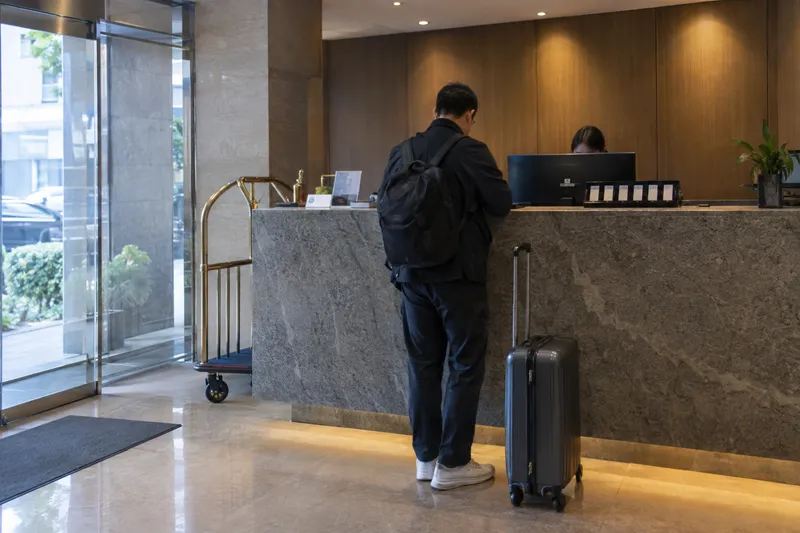
- You want an hour of hands and quiet after a long-haul flight: hotel spa or a well-reviewed skin-care shop.
- You have active acne, rosacea, melasma or are on a retinoid or isotretinoin: clinic only, and say so before anything touches your face.
- You are short on time and staying central: the hotel spa wins on logistics, not on results.
- You want the treatment Koreans repeat every few weeks: clinic, and ask what the regular price is after the first visit.
Booking a facial in Seoul for foreigners: language, passport, timing
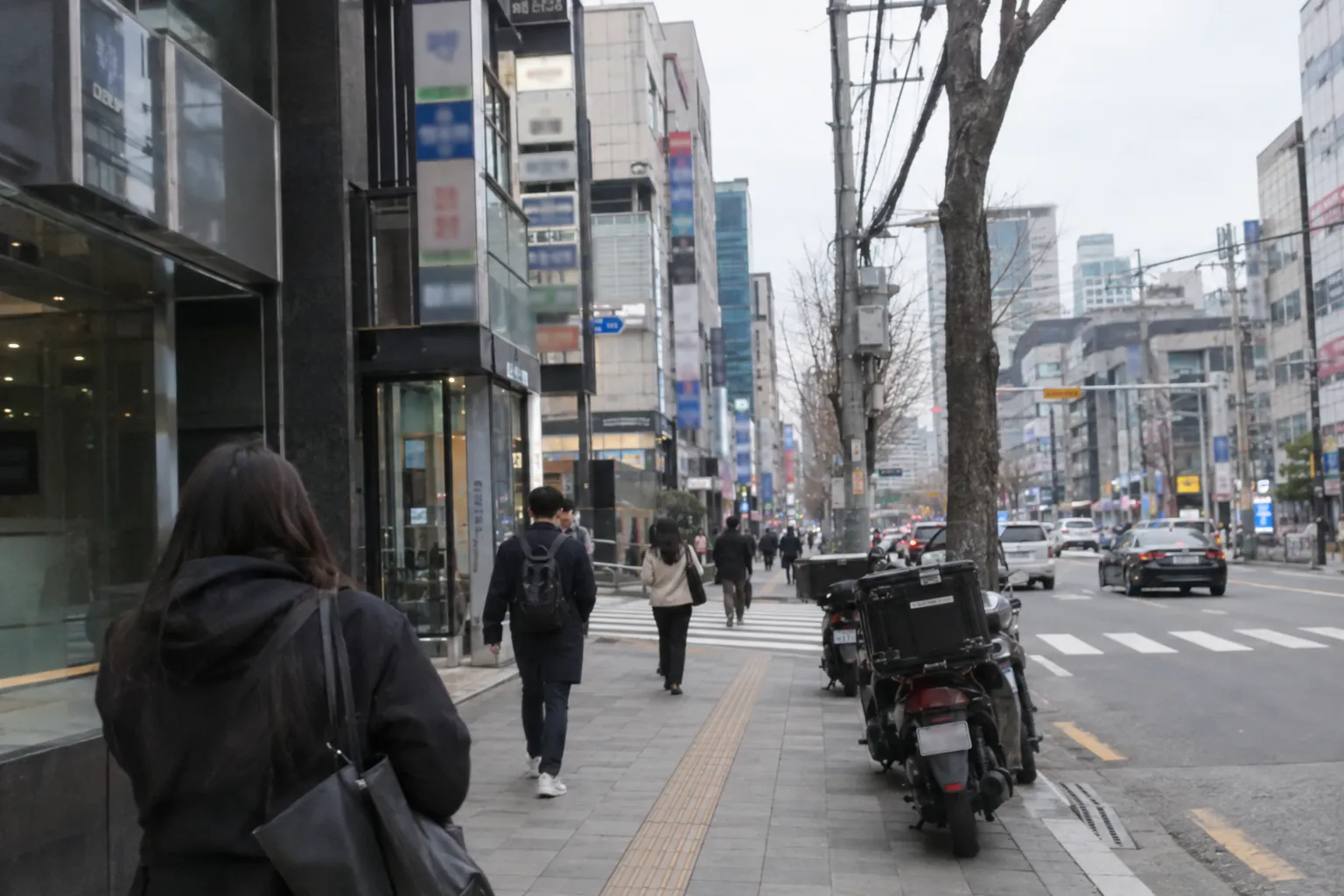
Most clinics that see visitors sit in Gangnam, Apgujeong, Sinsa and Myeongdong, a short subway ride from the main hotel areas. Our guide to the Apgujeong, Cheongdam and Gangnam clinic areas explains what each street is known for.
- Bring your passport. Medical institutions register foreign patients by passport, not by name alone.
- Allow ninety minutes door to door, including the intake form, the locker and the skin check.
- Arrive with little or no make-up, and keep saunas and jjimjilbang off that evening.
- Book the facial early in the trip if you might add a treatment later, and late in the trip if it is the only thing you want.
- Ask which programme the advertised number covers, and what the price is on a second visit. First-visit event pricing is normal and not hidden, but nobody volunteers it in English.
Wondering how a Seoul clinic compares with the spa near your home? That comparison is in Korean facial near me.
What to add, and what to skip on a short trip
A facial cleans and hydrates. It does not lift a jawline, fade sun spots or fill acne scars. If the skin check turns up one of those, the doctor may suggest a next step, and you are free to say no to all of it.
- Dull or dehydrated skin: a skin booster such as Rejuran. Small bumps for a day or two.
- Freckles, sun spots or melasma: pigmentation laser, once the doctor has named the pigment.
- Early sagging or open pores: an energy device, listed on our laser lifting page. Plan it for the start of the trip.
- Nothing at all: perfectly reasonable. A clean skin check and a written note of what to do at home is a good outcome.
If you want the treatments sorted by downtime instead of by name, read Korean skin treatments compared. If you would rather not choose alone, clinic matching narrows it in about two minutes, and you can meet the interpreters who cover dermatology.