Korean eye surgery is two different operations, and the search results mix them up
Written by KCODI medical interpreter team · English deskUpdated · 8 min read

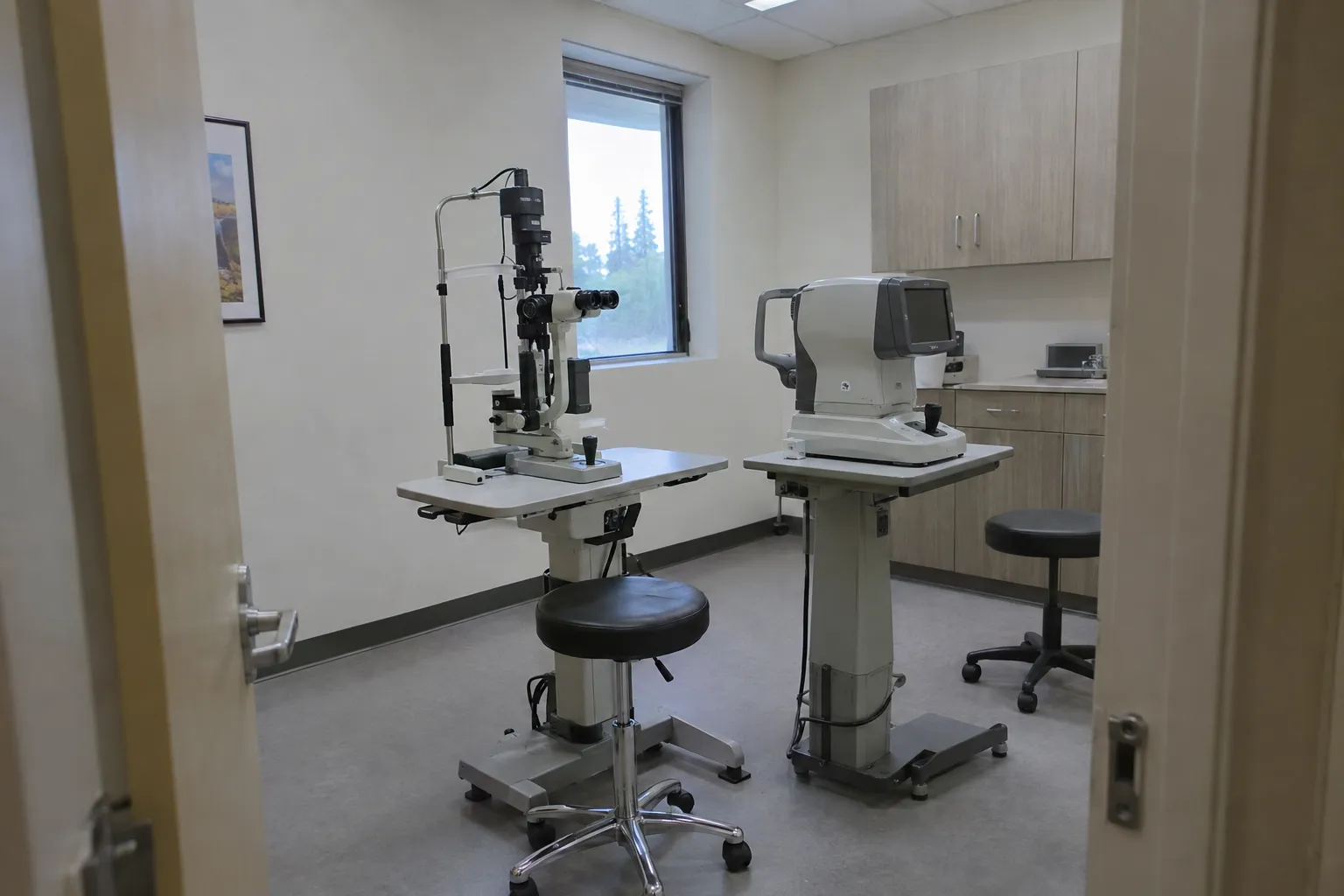
Type Korean eye surgery into a search bar and you get two completely unrelated things on the same page: laser vision correction, and cosmetic eyelid surgery. In Korea they happen in different clinics, under different specialties, with different pre-tests and different recoveries.
Patients regularly arrive in Seoul having booked the wrong one, or having booked one consultation for a question that belongs to the other. It is an easy mistake because both are extremely common here and both are advertised in English on the same streets.
This is the sorting question first, then what each side actually involves and how many days it takes.
Which one do you actually want
| What you want to change | The operation | Which clinic | Typical stay |
|---|---|---|---|
| Stop wearing glasses or contacts | LASIK, LASEK, SMILE or an implanted lens | Eye clinic (안과), an ophthalmologist | Short, but a next-day check is required |
| Add or reshape a crease on the upper lid | Double eyelid surgery | Plastic surgery clinic (성형외과) | Longer, for stitch removal |
| Open the inner or outer corner | Epicanthoplasty or canthoplasty | Plastic surgery clinic | Longer, with visible healing |
| Remove or reposition under-eye bags | Lower eyelid surgery | Plastic surgery clinic | Longer, with bruising |
| A lid that droops over the pupil | Ptosis correction, sometimes both specialties | Assessed before anything cosmetic | Depends on the plan |
The last row is the one worth flagging. A low-sitting lid is a functional issue as well as a cosmetic one, and adding a crease without addressing it often disappoints. Any surgeon proposing eyelid work should check it before drawing anything.
The vision side: three routes, one examination
Korea does a very large volume of vision correction and the clinics are set up for it, including for visitors. Broadly there are three routes, and which one is open to you is decided by measurements rather than preference.
- Surface and flap laser procedures, where the cornea is reshaped. Recovery speed and comfort differ between the versions, and your corneal thickness decides what is possible.
- Small-incision lenticule extraction, the flapless laser option many Seoul clinics lead with. The SMILE LASIK page covers the appointment.
- An implanted lens, used when laser is ruled out, often for high prescriptions. The ICL page explains it.
Everything starts with a long examination, and contact lens wearers have to be out of lenses for a period beforehand or the measurements are wrong. That single detail ruins more trips than anything else on this page, because nobody mentions it until you are in the chair. LASIK vs LASEK in Korea sets out the differences between the laser options.
The eyelid side: what the other half is searching for
The cosmetic half of these searches is about the crease, the inner corner, and the fullness above and below the lash line. Those are separate decisions that clinics often quote as one line, which is where foreign patients get surprised.
What each feature is and what changes it is set out in Korean eyes and what surgery changes, and the crease operation itself, with stay length and price range, is on the Korean eyelid surgery page. If you are still deciding whether you want a crease at all, monolid vs double eyelid is the honest version of that argument.
The practical difference from vision surgery is time. Stitches, swelling and a settling period mean eyelid work asks for a longer stay and a less photogenic middle week. Vision correction asks for fewer days but stricter ones.
There is a third group worth naming, because it falls between the two. People with a lid that genuinely sits low over the pupil are describing a functional problem, not only a cosmetic one, and it is assessed rather than assumed. A crease built onto an unaddressed droop tends to look like a crease on a sleepy eye, which is not what anyone wanted.
If you are unsure which group you are in, that itself is a reasonable thing to book a consultation for. Both kinds of clinic in Seoul are used to being asked, and an examination settles in ten minutes a question that photographs online will never answer.
Reading before and after photos on either side
- For vision, photographs show nothing. Ask instead what proportion of the clinic's patients reach a given standard of unaided vision, and what happens if you do not.
- For eyelids, check that both photos are the same distance, lighting and gaze direction. Chin position alone changes how a crease reads.
- Look for a starting eye like yours, not a result you like on a different eye.
- Ask how long after surgery each after photo was taken. A lid at three weeks is not a lid at six months.
How to read Korean plastic surgery before and after photos goes through this properly, and it applies to eyelids more than almost anything else because the swelling window is long.
Planning the trip either way
- Book the examination early in the trip, not late. Both sides sometimes come back with a different recommendation than you expected, and you want days left to act on it.
- Do not schedule a flight the day after either operation without checking. Vision correction needs a next-day check; eyelid work needs stitches out.
- Bring your prescription history, any previous eye reports, and a list of medicines. It shortens the examination considerably.
- Agree before you fly who answers your questions once you are home, and in which language.
See the whole eye menu on the LASIK in Korea page, let clinic matching route you to the right specialty in two minutes, or meet the interpreters. If something goes wrong while you are here, the Medical Korea Support Center answers on +82-1577-7129 and K-MEDI handles medical dispute mediation.