Korean pore reduction treatment: what shrinks a pore, and what only looks like it
Written by KCODI medical interpreter team · English deskUpdated · 7 min read

In shortPores cannot be closed permanently, but their appearance changes with two things: emptying them, and tightening the collagen around the opening. Cleansing treatments do the first, energy devices do the second, over a course.
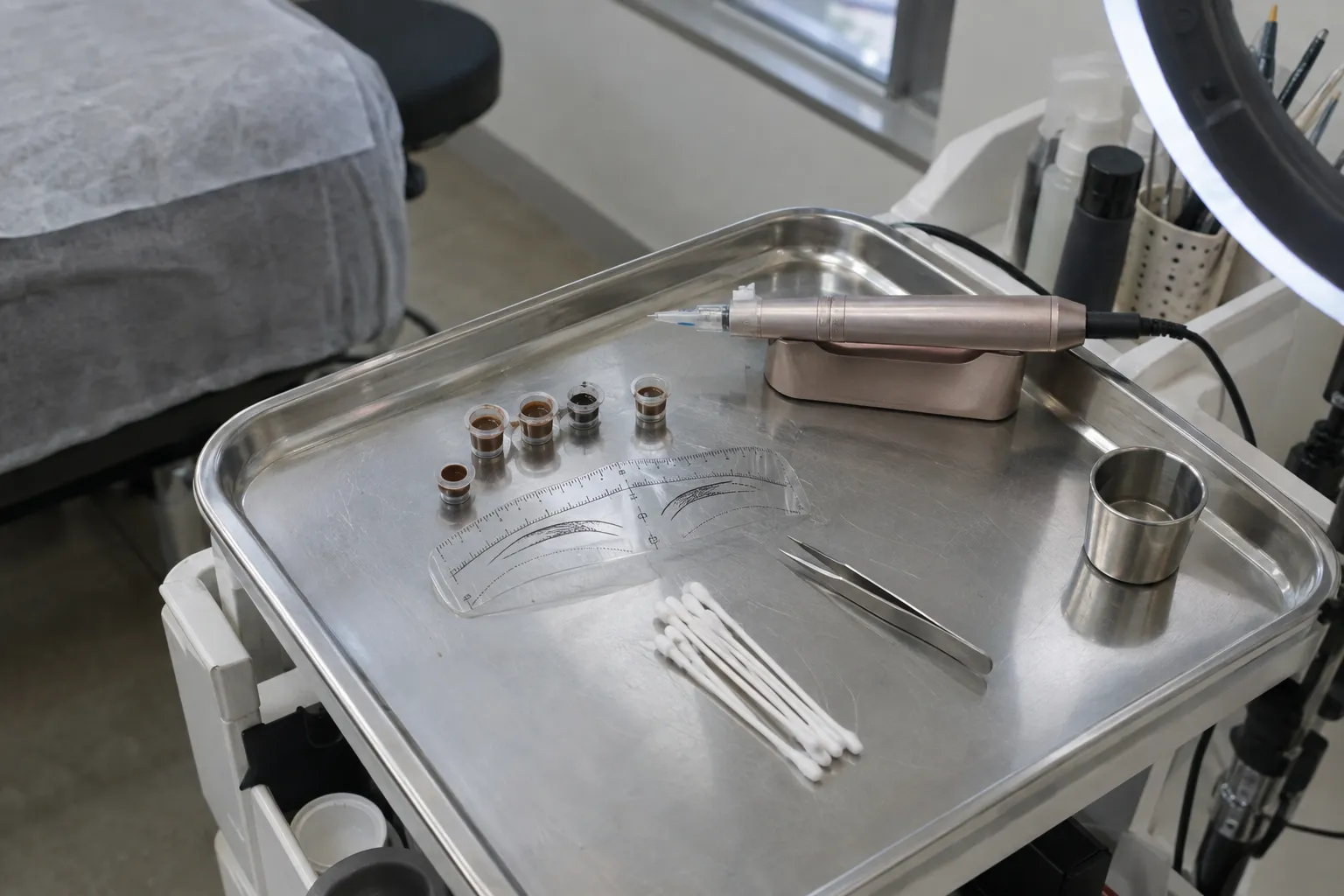
Korean pore reduction treatment is one of the most searched items on the Seoul dermatology menu and one of the least honestly described. Clinics abroad promise closure; Korean clinics mostly promise a course. The second one is closer to what the skin does.
A pore is an opening of a follicle. Its size is set by genetics, oil production and how much the collagen around it has loosened. You can empty it, you can firm the rim, and you can reduce the shadow it casts. You cannot shut it.
Below is what actually moves the needle, what Korean clinics stack together, and how to get value out of one week rather than buying ten sessions you will not attend. The estimated range sits on the acne scar and texture page.
Can pores actually be made smaller?
Their appearance can change a lot; their anatomy cannot be closed. Two mechanisms do the visible work: clearing the plug of oil and dead skin that widens the opening, and remodelling the collagen around the rim so the opening does not gape.
That is why any honest Korean plan has two halves. A cleansing treatment does something today and nothing lasting; an energy device does nothing today and something over three months. Pore shrinking treatment korea packages usually bundle both, which is reasonable, as long as you know which half you are paying for.
- Oiliness drives the appearance, so oil control is part of the plan, not an afterthought.
- Sun damage loosens the collagen around the rim; sunscreen is genuinely part of pore treatment.
- Squeezing and strips widen openings over time. Korean clinics extract carefully and not often.
- Results from device courses are judged at two to three months, not at the next appointment.
- Active acne is treated first. Treating pores over live breakouts wastes the course.
What do Korean clinics actually use for pores?
| Treatment | What it does | When you see it | Downtime |
|---|---|---|---|
| Aqua-peel type cleansing | Empties the pore | Same day, lasts days | None |
| Chemical peel | Thins the plug, evens surface | Days, cumulative | Flaking two to three days |
| Picosecond resurfacing | Texture and rim remodelling | Weeks, over a course | Redness two to three days |
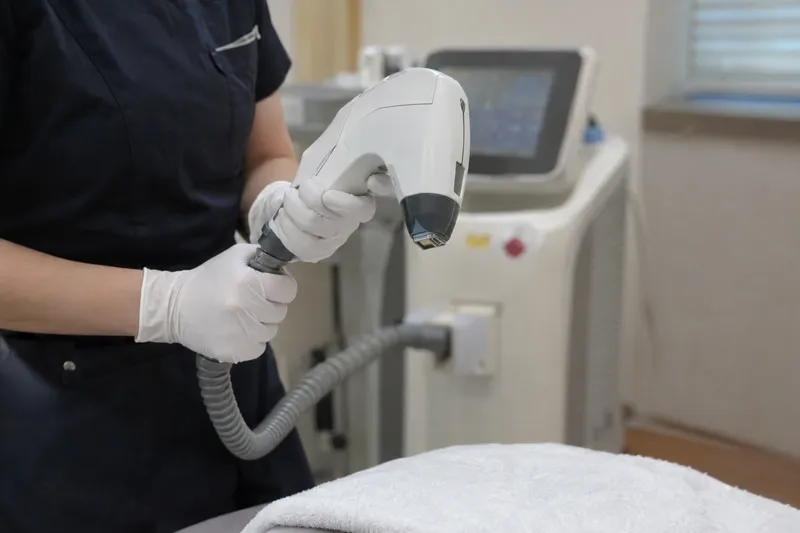
| RF microneedling | Collagen around the opening | Two to three months | Redness a day, dots for three |
| Oil-reduction procedures | Lowers sebum output | Weeks | Varies, discuss with the doctor |
| Skin boosters | Hydration and smoothness | Weeks | Small bumps a day or two |
Most Korean plans put one cleansing item and one device item together, then repeat monthly. Our microneedling and RF devices guide covers the device side and aqua peel in Seoul covers the cleansing side.
Is there such a thing as pore surgery?
Not as a real operation. Korean pore surgery is a translation artefact: clinic menus in Korean use a word that covers any clinical procedure, so needle-based and laser treatments get rendered as "surgery" in English listings. Nobody is cutting pores out.
What does exist at the more aggressive end is fractional resurfacing, where a laser makes controlled columns of injury so the skin rebuilds with tighter texture. It works, it needs real downtime — redness and roughness for several days — and it is the one item on the pore menu that should not be booked the day before a flight. Our Korean skin treatments compared guide shows how it sits against the gentler options.
If deep, pitted marks rather than open pores are the real problem, you are in scar territory rather than pore territory, and the plan is different. Our acne scar treatment page and active acne guide cover the order to do things in.
Why are nose pores harder to treat?
Because the nose has the densest sebaceous glands on the face and the thickest skin over them. Korean nose pore treatment therefore leans harder on oil control and repeated cleansing than on a single device, and improvement is measured in "less obvious" rather than "gone".
Two honest cautions from the treatment room. Aggressive extraction on the nose feels productive and stretches the openings over years, which is why good clinics do it sparingly. And the blackheads you can see are mostly oxidised plugs that refill within days; a treatment that clears them is maintenance, not a cure.
If skin analysis would help you decide what you are actually looking at, skin analysis in Seoul explains what the machines measure and what they cannot.
What do Reddit threads get right about pore treatment in Korea?
Pore treatment korea reddit posts are usually right that one session looks good for three days and that the packages are long. They are least reliable when a single person's result is presented as the treatment's result, because oil level and skin thickness change the outcome more than the clinic does.
The recurring complaint worth listening to: people buy ten sessions, attend two, and lose the rest. Korean clinics price in courses because their patients live here. Ask for the single-session price and the written rule on unused sessions before you pay for a course. Our Reddit questions guide answers the other recurring ones.
- Book the consultation on day one, so a device session can go early in the trip.
- Put cleansing treatments late in the trip; put resurfacing early.
- Ask which single item gives the most visible change in your days available.
- Get the home plan in writing: cleanser, retinoid if prescribed, sunscreen, and when to restart acids.
- Refuse a ten-session course unless the unused-session rule is written down.
- Keep the receipt with the device and product names so a doctor at home can continue it.
Handled like that, a week in Seoul buys you a diagnosis, one or two real treatments and a plan. That is a good outcome for pores, and it is a different purchase from the one the menu first offers you. If you want us to sort the sequence, treatment matching takes about two minutes, or meet the interpreters who sit in on these consultations.