Ultherapy, its Korean version, and how to tell which machine is in the room
Written by KCODI medical interpreter team · English deskUpdated · 8 min read

In shortThere is no licensed Korean copy of Ultherapy or Thermage. Korean manufacturers build their own ultrasound and radiofrequency lifting devices, so a cheaper alternative is a different machine, not the same one at a discount.
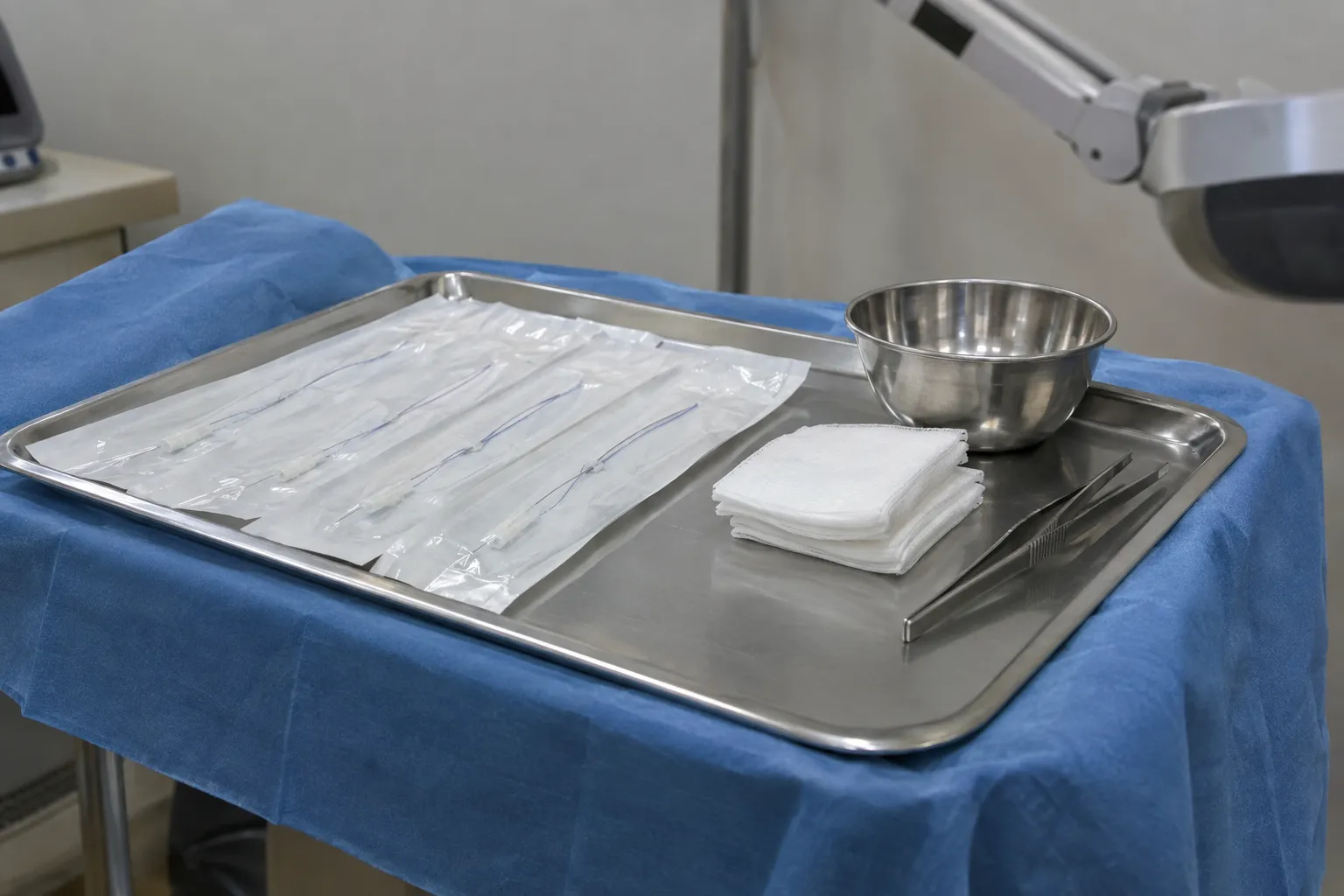
Ultherapy korean version is one of the most common searches our interpreters get asked about before a lifting consultation, and it rests on a wrong assumption: that the Korean option is the same machine relabelled. It is not. It is a different device built by a Korean manufacturer to do a similar job.
Once you see it that way, the Seoul menu makes sense. Imported machines are here, Korean-made machines are here, and the price gap between them is mostly about how many clinics own each one and how hard they compete on it.
Below: what the local devices are, where the comparison is fair, and how to confirm which machine is actually being used on your face. The estimated range sits on the lifting page.
What do clinics mean by a Korean version of Ultherapy?
They mean a Korean-made focused ultrasound device that treats the same layers. Ultherapy is made by Merz and there is no licensed Korean copy of it; what Korea has is its own ultrasound platforms, built here and sold worldwide.
The practical difference is not "good versus bad". It is how the energy is delivered — single shots versus a continuous sliding motion, how many depths the handpiece offers, whether the machine shows the operator an image of the layers before firing. Those choices change comfort, treatment time and how many shots a session includes.
- Ask the machine name, not the treatment name. "HIFU lifting" is a category, not a product.
- Ask how many shots or lines the quoted price includes. This is the number that actually varies.
- Ask which depths are being treated, and on which parts of the face.
- Ask who operates it. In Korea a doctor or a nurse under a doctor's direction may deliver it, and you are allowed to ask which.
- Expect soreness to the touch for a few days and results judged at two to three months, on any of these machines.
Our Ultherapy versus Thermage guide explains what each modality does; this page is about which box the clinic owns.
Is Thermage popular in Korea, and is there a Korean version?
Yes, Thermage is popular here and widely offered. Thermage korean version means the same thing as before: Korean manufacturers make their own monopolar and bipolar radiofrequency devices for skin tightening, and clinics stock them alongside or instead of the imported machine.
Radiofrequency and ultrasound are not competing versions of one treatment. Radiofrequency heats a broad volume of tissue and tends to be felt as warmth; focused ultrasound puts heat in narrow points deeper down and is felt as brief pricks. Clinics often propose them together for that reason, which is where a quote suddenly doubles. Our shot count guide explains why the number of shots, not the brand, is what you should be comparing.
Is Sofwave used in Korea?
It is available but uncommon compared with the machines Korean clinics buy by the dozen. Is sofwave popular in korea gets the same honest answer as the imported injectables: present, known, and not the device most Gangnam clinics reach for first.
Sofwave therapy korea queries usually come from patients who read about it abroad and want the same treatment here. If that is you, name the device in your first message so the clinic can confirm it owns one. Otherwise you will be offered whatever is in the room, which may be perfectly appropriate but is not what you asked for.
| Family | What it does | How it feels | Typical planning |
|---|---|---|---|
| Focused ultrasound, imported | Heat points in deep layers | Brief pricks, sore afterwards | One session, review at three months |
| Focused ultrasound, Korean-made | Same layers, different delivery | Often a sliding motion, gentler | One session, sometimes staged |
| Monopolar radiofrequency, imported | Broad heating for tightening | Steady warmth with hot peaks | One session, judged by shot count |
| Radiofrequency, Korean-made | Similar tightening | Warmth, usually longer session | One session or a short course |
| Microneedling radiofrequency | Heat plus needle channels | Numbing needed, redness after | Three sessions, weeks apart |
| Thread lifting | Mechanical support, not heat | Local anaesthetic, bruising | One session, planned with the above |
What are Liftera, Shurink Universe and the other names on the menu?
They are Korean-made lifting devices, each with its own handpiece design and its own marketing name. Liftera hifu korea and shrink universe korea are both searches for a specific box, and the honest summary is that they sit in the same ultrasound family described above, with differences in delivery rather than in category.
Shurink is the Korean device most visitors have heard of, made by Classys, which also builds the Ultraformer and Volnewmer platforms — so several names on one menu can come from the same factory. Our Shurink, Ultraformer and Oligio guide goes through that family, and Korean face lift without surgery covers what the whole category can and cannot do.
One thing worth saying plainly: none of these machines is a facelift. They tighten and they buy time. If the skin is genuinely loose, the surgical comparison is in mini versus deep plane facelift, and a clinic that tells you otherwise is selling shots.
How do you check the machine in the room is the one on the quote?
- Have the machine name written on the quote, in English, before any money moves.
- Ask for the shot or line count in writing too. "Full face" is not a quantity.
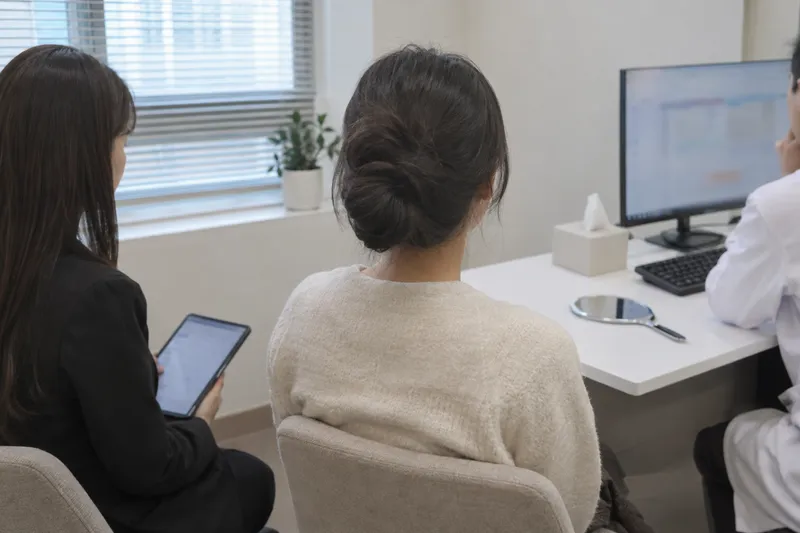
- In the room, look at the handpiece and the screen. Ask the operator to confirm the name out loud; your interpreter will repeat it.
- Ask to see the consumable tip opened. Single-use tips are normal practice and no clinic should object.
- Ask what is included if the result is thin at the three-month review, and whether a top-up is charged.
- Ask whether anything else is being added the same day, because a booster or a thread added on top is a second charge and a second recovery rule.
Most disappointing lifting results our interpreters hear about trace back to shot count, not to brand. A quote that looks cheap for a famous machine is usually a smaller number of shots, which is a legitimate product — as long as you knew.
If you would rather we matched device to face than read menus in a second language, treatment matching takes about two minutes, or meet the interpreters who sit in on lifting consultations and write down the machine name and the shot count as they are said.